Enhancing Sports Performance with Reinforcement Learning AI
Category : |
Sub Category : Posted on 2024-04-30 21:24:53
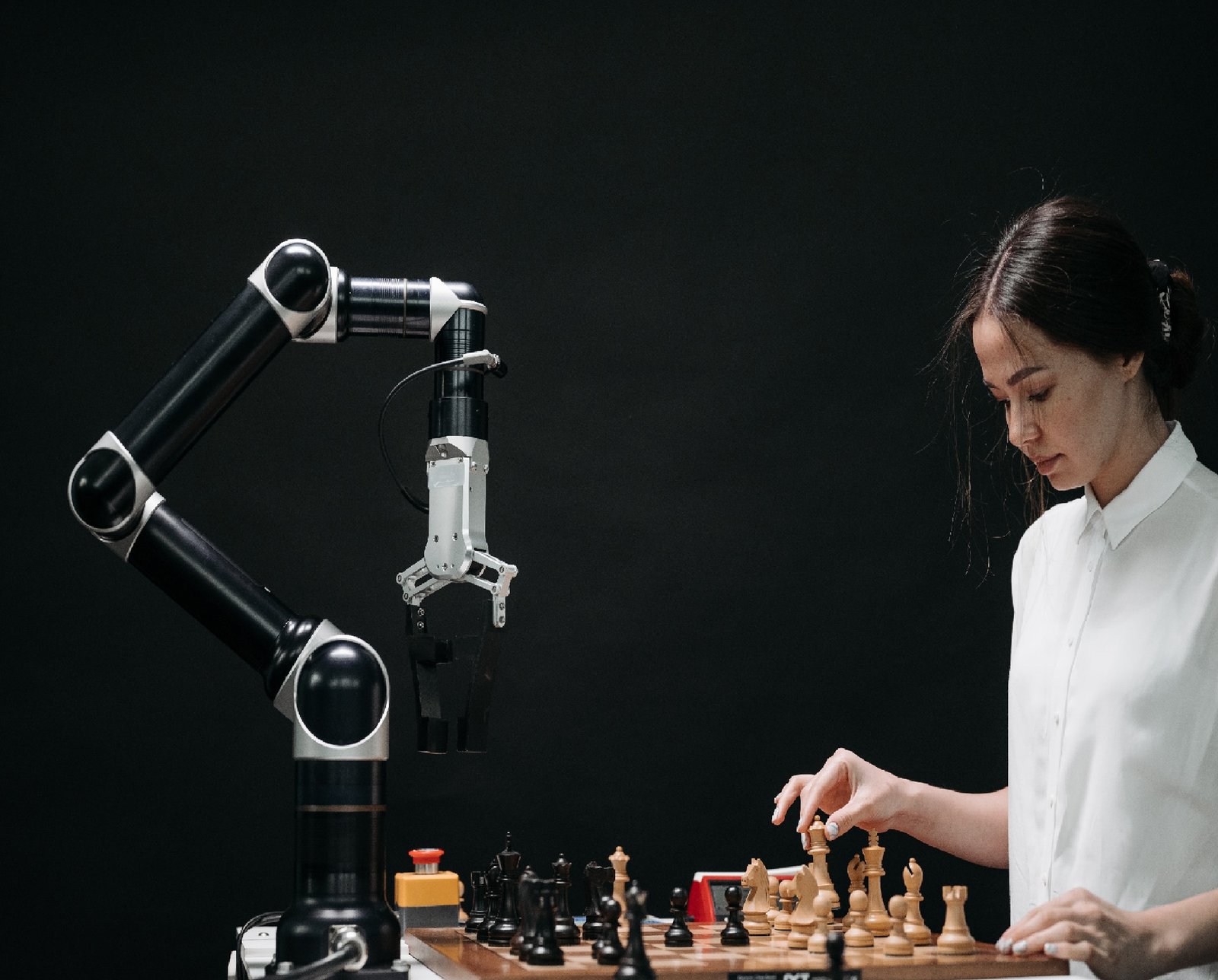
Introduction: In recent years, the intersection of sports and artificial intelligence (AI) has opened up new possibilities for athletes and teams to achieve peak performance. One of the key areas where AI is making significant strides is in the field of reinforcement learning. This cutting-edge technology allows sports professionals to optimize training, strategy, and performance in innovative ways. In this blog post, we will explore how reinforcement learning AI is revolutionizing the world of sports.
Optimizing Training Regimens: Reinforcement learning AI can be used to personalize training regimens for athletes based on their individual strengths, weaknesses, and progress. By analyzing data from wearable devices, cameras, and other sensors, the AI can recommend specific workouts, drills, and recovery strategies to help athletes reach their full potential. This personalized approach to training can lead to faster improvements and reduced risk of injury.
Enhancing Game Strategy: In team sports, reinforcement learning AI can analyze vast amounts of data to help coaches develop more effective game strategies. By simulating different scenarios and outcomes, the AI can suggest optimal plays, formations, and substitutions in real-time. This real-time analysis can give teams a competitive edge by making informed decisions on the fly.
Improving Performance Analysis: AI-powered tools can provide detailed performance analysis for individual athletes and teams. By tracking key metrics such as speed, endurance, and technique, the AI can identify areas for improvement and suggest tailored interventions. Coaches and athletes can leverage this feedback to make data-driven decisions and track progress over time.
Predicting and Preventing Injuries: Reinforcement learning AI can also be used to analyze biomechanical data and predict potential injuries before they occur. By monitoring movement patterns, load distribution, and other factors, the AI can flag potential red flags and recommend corrective measures. This proactive approach to injury prevention can help athletes stay healthy and prolong their careers.
Future Directions: As technology continues to advance, the potential applications of reinforcement learning AI in sports are endless. From optimizing training schedules to predicting game outcomes, AI has the power to transform the way we approach sports performance. However, it's essential to strike a balance between data-driven insights and the human element of sports to ensure that athletes and teams continue to thrive.
Conclusion: Reinforcement learning AI is reshaping the world of sports by offering personalized training regimens, enhancing game strategy, improving performance analysis, and predicting/preventing injuries. By harnessing the power of AI, athletes and teams can unlock their full potential and stay at the top of their game. As we look to the future, it's clear that the integration of AI in sports will continue to drive innovation and push boundaries in pursuit of athletic excellence. To expand your knowledge, I recommend: http://www.topico.net
Have a look at http://www.tknl.org


