Understanding Reinforcement Learning and AI for Six-Year-Old Children
Category : |
Sub Category : Posted on 2024-04-30 21:24:53
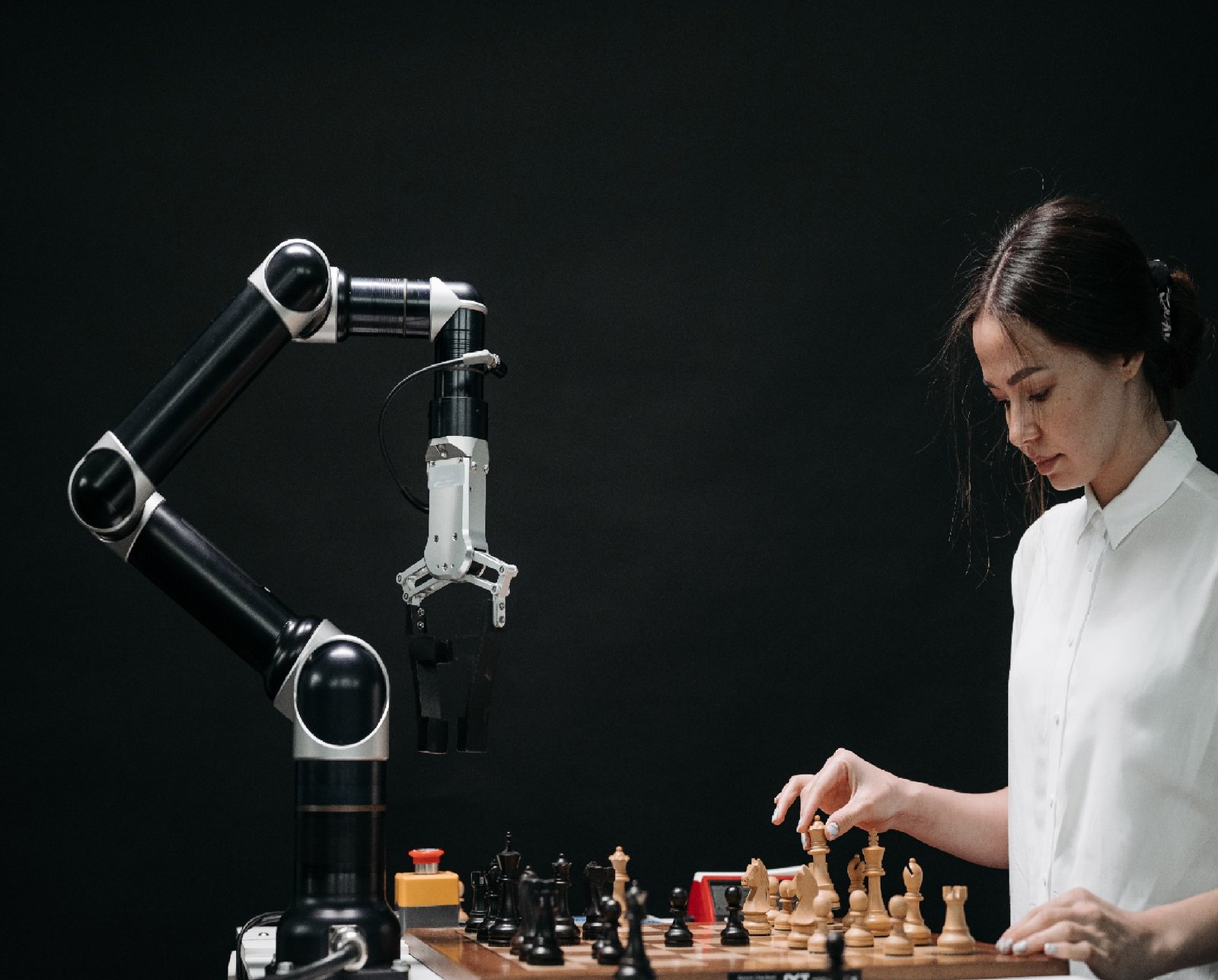
As technology continues to evolve rapidly, concepts like artificial intelligence (AI) and reinforcement learning are becoming more prevalent in our daily lives. While these terms may sound complex, they can be simplified and explained in a tangible way even to young children. In this blog post, we will delve into how we can introduce these concepts to six-year-old children in a fun and engaging manner.
Reinforcement learning is a type of machine learning where an agent learns how to behave in an environment by performing actions and receiving rewards or penalties. This can be compared to how children learn through positive reinforcement, such as receiving praise or a treat for good behavior, or negative reinforcement, like facing consequences for misbehavior.
To illustrate this concept to six-year-old children, we can use fun and relatable examples from their everyday lives. We can create a simple game where the child takes on the role of an agent (like a robot or a character) who needs to navigate through an obstacle course to reach a reward, such as a favorite toy or snack. By attempting different actions (like moving left, right, forward, or backward), the child can learn what works best based on the feedback received (rewards for successful moves or obstacles for incorrect ones).
Artificial intelligence, on the other hand, refers to machines or computer programs that can perform tasks that typically require human intelligence, such as problem-solving, recognizing patterns, or making decisions. This can be simplified by likening AI to a helpful friend who can assist with certain tasks or provide information, like a smart assistant or a robot companion.
For six-year-old children, we can introduce AI in a playful way by incorporating it into interactive toys or games they enjoy. We can showcase how a talking toy or a virtual character can respond to their questions, follow commands, or even play games with them. By experiencing AI in this accessible and hands-on manner, children can grasp the idea of machines that can learn and interact with them in a meaningful way.
Overall, introducing concepts like reinforcement learning and AI to young children can be a fun and enlightening experience. By using creative and engaging methods to explain these ideas, we can spark their curiosity and lay the groundwork for a greater understanding of the technological world around them. Who knows, maybe one day these young minds will become the innovators and creators shaping the future of AI and machine learning!


